
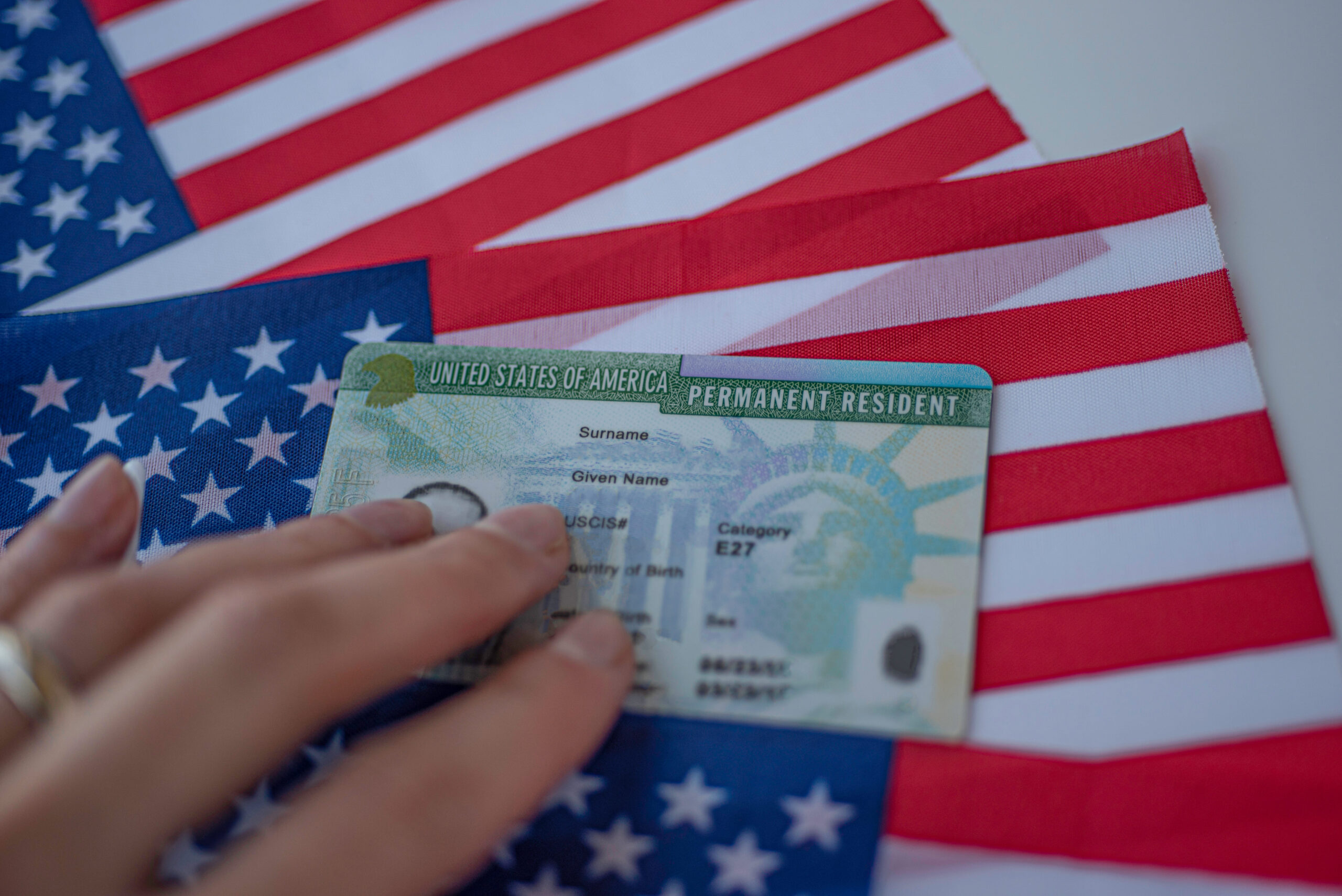
We know that receiving a visa denial is certainly among the most stressful moments in the immigration process, but it does not have to be the end of the road. Whether you applied from Virginia Beach or anywhere else in the state or country, a denial can often be fixed with the right information and a clear plan.
This post will walk you through the most common reasons immigration visas get denied, what a denial actually means for your case, and the simple steps you can take to continue moving forward in your immigration journey.
Why Immigration Visas Get Denied: Common Reasons
Understanding why a visa was denied is the first step toward fixing it. USCIS and consular officers deny applications for many reasons, and most fall into a few recurring categories:
Incomplete or missing documentation: If required forms, supporting evidence, or fees were missing from your application, the officer may have had no choice but to reject it. This error is surprisingly common among applicants and leads to long delays that can be easily avoided. We use our checklist to make sure that all of our clients’ files and paperwork are in order and we move forward without issue.
Insufficient proof of the qualifying relationship: Particularly in family-based petitions, officers look for evidence such as photos, correspondence, financial records, and affidavits that demonstrate a genuine relationship. Really what the immigration officers are looking for is evidence that the relationship between the sponsor and applicant is legitimate. It is essential that the application provides adequate proof so the immigration officer feels confident the connection between applicant and sponsor is authentic, real, and there is no reason to believe the relationship may be fake.
Prior immigration violations: Overstaying a previous visa, unauthorized work, or prior deportation can trigger a denial and sometimes a bar on future applications.
Grounds of inadmissibility: These cover different problems, including some criminal convictions, health-related reasons, and national security concerns. For a detailed look at inadmissibility categories and potential waivers, refer to the USCIS Inadmissibility and Waivers guide.
What Happens After an Immigration Visa Denial
A denial from USCIS or a consular officer does not automatically close your case forever. What it means depends on the type of visa you applied for, the reason for the denial, and whether any waivers or appeals are available to you.
In some cases, a denial is issued because of a fixable problem, like missing documents, insufficient evidence, or an administrative error. In other situations, the applicant may be inadmissible and will need to pursue a waiver before reapplying. In rare cases, there may be grounds to challenge the decision directly.
If you find yourself in this situation, the most important thing is to stay calm and understand what’s going on. Knowing exactly what happened and why gives you a path forward. For this, we recommend you connect with an experienced immigration attorney with an established track record of successfully dealing with such situations.
Step-by-Step: What to Do After a Visa Denial
1. Review the Denial Notice Carefully
The USCIS or the consulate will provide a written notice explaining the reason for the denial. Read this document thoroughly. You can also check your case status anytime on the USCIS Case Status Online portal.
2. Identify the Root Cause
The notice usually lists a specific issue, but it may not be very clear or easy to understand. It’s important to know the real reason for the denial, like a legal rule or missing evidence, before you decide what to do next. Again, we do recommend that applicants in this situation consult with an experienced immigration attorney who can help them understand their situation.
3. Address the Underlying Problem
Once you know the reason, focus on fixing it. If documents were missing, gather them. If the evidence was not strong enough, try to gather additional proof. If there is a legal issue, check whether a waiver applies to your case.
4. Decide Whether to Reapply or Take Further Action
Depending on your circumstances, you may be able to reapply with a stronger application, file a motion to reopen or reconsider, or file an appeal.
When You May Need to File an Appeal or Motion
If you believe USCIS made a legal or factual error in your case, you may have the right to file a motion or appeal. A Motion to Reopen asks USCIS to reconsider based on new facts or evidence, while a Motion to Reconsider argues that the original decision was legally incorrect.
These are more technical proceedings that need a clear understanding of immigration law. Filing incorrectly or missing deadlines can permanently close your options. The Form I-290B is used for appeals and motions with USCIS. Because it can be complicated and there is so much at stake, it is highly recommended that you work with an experienced immigration lawyer.
Can You Reapply After an Immigration Visa Denial?
In many cases, yes, reapplying is possible. But timing and preparation are very important. Before you apply again, it is very important that you fix the main problem, gather stronger evidence, and make sure your new application clearly explains your situation with documentation. We have successfully navigated this process many times and are here to help you if you need it.
Common Mistakes to Avoid After a Visa Denial
Reapplying immediately without making changes: This is one of the most damaging mistakes applicants make. A second denial based on the same issue adds to your immigration record and can make future applications harder. Unfortunately, many people do this, simply reapply without addressing the root cause of their original denial. Doing so wastes time, money, and will likely diminish their chances of successfully getting the visa.
Ignoring the denial reason: Some applicants assume the system made a mistake and proceed without truly understanding what went wrong. This leads to repeated failures.
Submitting weak evidence a second time: Simply adding a couple of extra documents is probably not enough to change the result. We certainly wouldn’t count on that. We work with our clients to significantly improve their application in order to maximize the chances of success.
Missing deadlines for appeals or motions: Some paths have strict deadlines. If you wait too long, you may lose options that were otherwise available to you.
Immigration Visa Denial in Virginia Beach: What to Expect
Applicants in Virginia Beach are subject to the same federal immigration laws and USCIS policies as those anywhere else in the country. However, local planning matters. USCIS field offices, immigration courts, and supporting legal resources are located throughout Hampton Roads and the broader Virginia region.
Processing times after a denial will vary based on visa category, case complexity, and current USCIS backlogs. Virginia Beach applicants should expect that reapplications or appeals may take several months, and in some categories even longer. Having all of your documentation organized and a clear legal strategy before reapplying will help avoid unnecessary delays.
What to Do Next: Contact an Immigration Lawyer in Virginia Beach
Navigating a visa denial on your own is possible, but it carries significant risk. A single misstep, a missed deadline, or a poorly prepared application can set your case back by months or years.
Working with a qualified immigration lawyer in Virginia Beach gives you an expert who will understand the real reason for your denial, build the strongest possible response, and guide you through every step of the process. At Artemisa Law, attorney Tatiana Mendez brings extensive experience in immigration cases and has a track record of helping clients achieve successful outcomes. The earlier you seek legal guidance, the more options you are likely to have.
FAQs
Can I apply again immediately if my visa is rejected?
Technically, there is no mandatory waiting period in most cases, but reapplying immediately without addressing the denial reason is rarely a good idea. Before reapplying, you need to understand why the application was denied and take clear steps to fix that issue.
Can an immigration visa denial be reversed?
In some situations, yes. If USCIS made a factual or legal error, you may be able to file a Motion to Reopen or Reconsider. Depending on the type of visa and the grounds for denial, other avenues may also be available. An immigration attorney can help you evaluate your options.
Will a denial affect future applications?
A denial becomes part of your immigration record and can influence how future applications are reviewed. This is one reason why addressing the root cause before reapplying, instead of submitting a new application, is so important.
What are the most common reasons for immigration visa denial?
The most common reasons include insufficient documentation, not proving a qualifying relationship, past immigration violations, and legal reasons for not being allowed, such as a criminal history or health-related issues. Carefully reviewing your denial notice is the first step to understanding what affected your case.
If you have received a visa denial and would like professional help from an experienced immigration attorney, please contact us right away. We are here and ready to help you.